

Introduction Of Interceptions
The United Arab Emirates has confirmed that injuries recorded since the onset of recent Iranian strikes were not caused by direct missile or drone impacts, but rather resulted from interception operations carried out by the country’s air defence systems. Interceptions
Table of Contents
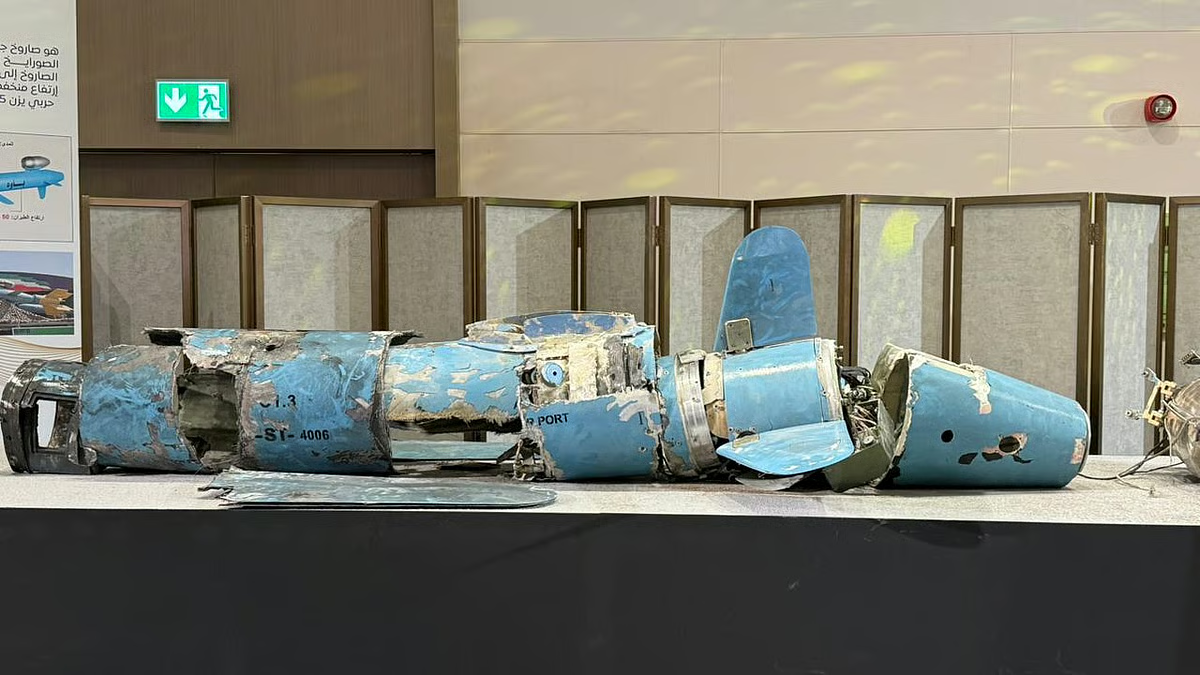
During an official UAE Government media briefing, Brigadier General Staff Abdulnasser Mohammed Al Hamidi, spokesperson for the Ministry of Defence, clarified that debris from intercepted ballistic missiles, cruise missiles, and drones was responsible for all reported minor injuries and property damage. Interceptions
812 Drones Detected Since Start of Aggression
According to updated figures released at the briefing:
- 812 Iranian drones have been detected.
- 755 were intercepted and destroyed
- 57 fell within the UAE’s territory
- 8 cruise missiles were detected and destroyed.
- 186 ballistic missiles were launched toward the UAE:
- 172 were destroyed
- 13 fell into the sea
- 1 landed within the State’s territory
Authorities confirmed that the incidents resulted in three fatalities, 68 minor injuries, and minor to moderate material damage to several civilian properties. Interceptions
Brigadier General Al Hamidi explained that the loud sounds heard across various emirates were caused by air defence systems intercepting ballistic missiles and UAE fighter jets engaging hostile drones and cruise missiles. He emphasized that no injuries were caused by successful strikes on targets within the country.
Armed Forces on Full Alert
The Ministry of Defence reiterated that the UAE Armed Forces remain on full operational readiness. Officials stressed that the country will not hesitate to take necessary deterrent measures to safeguard national security and stability. Interceptions
The media briefing included representatives from multiple government entities, reinforcing a unified message: the UAE remains prepared to respond to threats for as long as necessary. Interceptions
Essential Services Operating Normally
The National Emergency Crisis and Disaster Management Authority confirmed that essential services across the country continue to operate without disruption. Business continuity plans have been activated to ensure stability across sectors. Interceptions
In parallel, Reem Al Hashimy called for a return to negotiations, describing dialogue as the only rational path to de-escalation and regional stability. While prioritizing diplomatic solutions, she affirmed that the UAE reserves the right to respond if necessary.
Meanwhile, Abdullah bin Touq Al Marri reassured residents and businesses that the country maintains a strategic stockpile of essential goods sufficient for four to six months. He noted there are no signs of supply chain disruptions, import operations continue as planned, and authorities are closely monitoring market prices to maintain stability.
Public Advisory
Officials urged residents to rely exclusively on official sources for information and to refrain from circulating unverified reports or rumors. Authorities emphasized that transparency and timely updates will continue as developments unfold.
The UAE government concluded the briefing by reaffirming its commitment to protecting the nation’s security, ensuring public safety, and maintaining economic and social stability during this period of heightened regional tensions.