


Introduction Of Israel
A proposed 45-day ceasefire between the United States, Israel, and Iran is under urgent discussion, as regional mediators push to prevent a wider conflict. However, with a rapidly approaching deadline set by Donald Trump, the likelihood of an immediate breakthrough appears increasingly uncertain.
Table of Contents
Diplomatic Push Amid Tight Deadlines
According to a report by Axios, mediators are working intensively with Iranian officials to secure a temporary truce that would halt hostilities for 45 days. The goal is to create space for broader negotiations and avoid a dangerous escalation across the region.
Despite these efforts, sources familiar with the talks suggest that the chances of reaching even a partial agreement within the next 48 hours remain “slim.” Mediators have reportedly warned Tehran that this narrow window could represent the final opportunity to de-escalate tensions before the situation deteriorates further. Israel
Military Developments Signal Mixed Messaging
In a potentially significant development, Israel’s military announced that its recent strikes around the Tehran region have been “completed.” While this could indicate a willingness to pause offensive operations, the broader strategic intent remains unclear. Israel
Tehran’s response has yet to be fully defined. Iranian officials have signaled caution, emphasizing that any agreement must go beyond temporary measures. A senior official stated that Iran believes the United States is not currently prepared to commit to a lasting ceasefire, raising doubts about the sustainability of any short-term deal.
Risk of Regional Escalation
The urgency surrounding the ceasefire talks stems from fears of a broader conflict. Diplomatic sources warn that failure to reach an agreement could lead to attacks on civilian infrastructure within Iran, alongside retaliatory strikes targeting critical energy and water facilities in Gulf states.
Such a scenario would significantly widen the scope of the conflict, with global economic and security implications—particularly given the strategic importance of regional energy routes.
Extended Deadline, Limited Progress
In an effort to facilitate negotiations, President Trump extended an earlier deadline by 20 hours, giving Iran until April 7 at 8 p.m. Eastern Time to respond. The extension underscores both the urgency and fragility of the ongoing diplomatic efforts.
However, Tehran has maintained a firm stance on key issues. Notably, Iranian officials have rejected the idea of reopening the Strait of Hormuz as part of any temporary ceasefire arrangement—highlighting the complexities involved in reaching even a limited agreement.
Pakistan’s Mediation Role
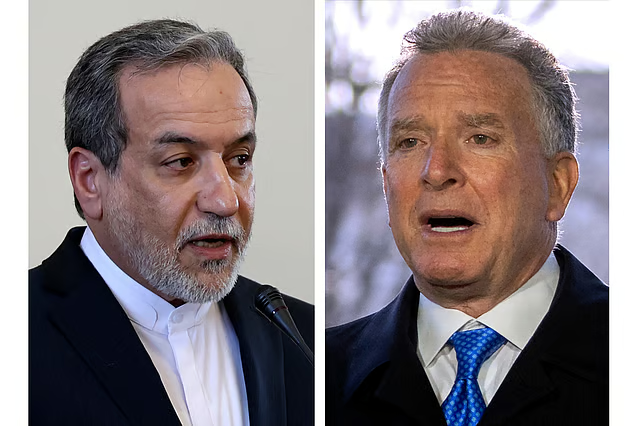
Amid these developments, Asim Munir has emerged as a key intermediary. The Pakistani army chief has reportedly been in continuous contact with senior officials, including JD Vance, Steve Witkoff, and Abbas Araghchi.
Pakistan has put forward a proposal aimed at bridging gaps between the parties. Iranian officials have confirmed receipt of the proposal and stated that it is currently under review, though no formal response has been issued.
Outlook: A Narrow Path Forward
With time running out and positions still far apart, the proposed 45-day ceasefire remains uncertain. While the idea of a temporary pause offers a potential off-ramp from escalating tensions, fundamental disagreements—particularly over long-term commitments—continue to hinder progress.
The coming days are likely to prove निर्णायक. Whether diplomacy can prevail over confrontation will depend on the willingness of all sides to make concessions in what has become an increasingly volatile geopolitical standoff.