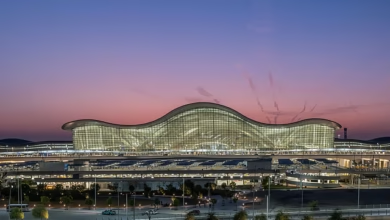



South Air Pakistan is entering Pakistan’s domestic aviation market with a new scheduled route connecting Karachi, Bahawalpur and Islamabad.
The airline’s first scheduled flight is reported to begin on July 16, 2026, with one-way fares starting at around Rs. 14,000. The route is expected to operate using an ATR 72 aircraft, with the journey taking approximately four hours and ten minutes.
While a new domestic flight may not initially sound like a major tourism story, better air connectivity can have a significant impact on how easily people explore a country.
Pakistan already has extraordinary mountains, lakes, deserts, historic cities and cultural destinations. The bigger challenge has often been getting travellers to those places efficiently.
Table of Contents
South Air Pakistan and the Tourism Opportunity
The launch of South Air Pakistan comes at a time when domestic tourism is becoming increasingly important.
A direct or convenient connection between major population centres and historically underserved destinations can reduce travel time and make short trips more realistic.
For example, Bahawalpur offers attractions such as Noor Mahal, Derawar Fort and the Cholistan Desert. Travellers from Karachi who previously had to rely heavily on lengthy road journeys could have another option through air travel.
The route could also make it easier for travellers to combine different regions of Pakistan within a single itinerary.
For visitors interested in southern Pakistan, resources such as Southern Pakistan travel information can help highlight destinations that are often overlooked.


Why Better Connectivity Matters
Tourism isn’t only about having beautiful destinations.
It is also about accessibility.
A traveller may be interested in visiting a historic fort, mountain valley or desert landscape, but long road journeys, limited flights and complicated connections can turn an attractive holiday into a difficult logistical exercise.
This is where South Air Pakistan could make a difference.
New domestic routes can:
- Reduce travel time
- Provide more transport choices
- Encourage weekend tourism
- Connect smaller cities with major hubs
- Support local hotels and restaurants
- Create opportunities for tour operators
- Encourage domestic travel
The impact can extend beyond passengers.
When more people visit a destination, local businesses can benefit from increased spending on accommodation, food, transport, guides, shopping and entertainment.
Bahawalpur Gets More Attention
One of the most interesting aspects of the new route is its connection with Bahawalpur.
The city has significant historical and cultural attractions but does not receive the same level of international attention as Lahore, Islamabad or the northern tourist destinations.
Noor Mahal is one of the city’s best-known landmarks, while Derawar Fort stands as an iconic structure in the Cholistan Desert.
Improved connectivity could encourage more travellers to include southern Punjab in their Pakistan itineraries.
That could also benefit smaller businesses that depend on tourism.


Pakistan’s Tourism Potential
Pakistan has a remarkably diverse tourism landscape.
The country is home to some of the world’s highest mountains, including K2, as well as alpine valleys, lakes, deserts, historic architecture and major cultural centres.
Destinations such as Hunza, Skardu, Fairy Meadows, Naran, Swat and Attabad Lake have gained enormous attention through social media and travel content.
For travellers looking for northern destinations, Pakistan’s northern travel packages provide examples of how tourism businesses are building itineraries around these locations.
The challenge is turning interest into actual travel.
That requires reliable transportation, accommodation, guides and supporting infrastructure.
How Domestic Aviation Supports Local Economies
Aviation can have an economic effect far beyond the airline itself.
Consider a traveller flying into a smaller destination.
That passenger may spend money on:
Hotels: More visitors create demand for rooms and guesthouses.
Restaurants: Travellers need meals throughout their stay.
Transport: Local taxis, drivers and tour operators benefit.
Guides: Cultural and adventure tourism creates opportunities for local professionals.
Retail: Tourists purchase handicrafts, food products and souvenirs.
Activities: Attractions, boat operators and adventure companies can generate additional income.
This is why new routes can function as tourism infrastructure.
When access improves, destinations that were previously considered inconvenient can become realistic options for domestic and international travellers.
What This Means for Pakistani Travellers
For Pakistani travellers, South Air Pakistan could offer another option when planning domestic trips.
The reported starting fare of around Rs. 14,000 one way could make air travel more accessible for some passengers, although actual prices can vary depending on availability, travel dates and fare class.
The reported early demand is also notable, with Economy Premium seats selling out before the airline’s first scheduled flight.
That suggests there is an appetite for improved domestic connectivity.
For travellers, increased competition can potentially encourage airlines to improve schedules, pricing and service quality.
South Air Pakistan Could Encourage More Domestic Tourism
Domestic tourism does not always require a long holiday.
A more connected aviation network can make short trips possible.
Someone living in Karachi could potentially visit Bahawalpur for a short cultural trip, while travellers based in other parts of the country may find it easier to connect through major cities.
This matters because Pakistan’s tourism economy depends not only on international visitors.
Millions of Pakistanis themselves represent a huge potential domestic tourism market.
Making travel easier could encourage more people to discover destinations within their own country.
The Bigger Opportunity for Pakistan
The launch of South Air Pakistan should be viewed as part of a much bigger tourism story.
One airline cannot transform Pakistan’s tourism industry by itself.
The country also needs:
- Reliable roads and airports
- Better tourist facilities
- Quality accommodation
- Improved destination marketing
- Easy access to travel information
- Skilled local guides
- Strong safety standards
- Consistent transportation
- Sustainable tourism policies
When these elements work together, improved air connectivity becomes much more valuable.
A new flight route can bring travellers to a destination, but the destination itself must be ready to welcome them.
Why Underrated Destinations Could Benefit Most
Pakistan’s most famous destinations already attract considerable attention.
The bigger opportunity may be places that have extraordinary attractions but receive fewer visitors.
Bahawalpur is one example.
Other cities and regions across Pakistan also have historical sites, cultural traditions and natural landscapes that could become more popular if travellers can reach them conveniently.
Better connectivity could therefore help distribute tourism spending instead of concentrating it in only a few well-known locations.
Final Takeaway
South Air Pakistan represents more than the arrival of another airline.
Its new Karachi-Bahawalpur-Islamabad connection highlights how domestic aviation can help unlock Pakistan’s tourism potential.
From historic monuments in Bahawalpur to the mountains of the north, Pakistan already has the destinations. What it needs is easier, more affordable and more reliable access.
If the airline expands successfully and other parts of the country’s tourism infrastructure continue improving, new domestic routes could help transform the way Pakistanis—and eventually international visitors—explore the country.
For travellers, that could mean more destinations, shorter journeys and more reasons to discover Pakistan from coast to mountains.